
Reducing food waste at home is a simple yet impactful way to benefit both your wallet and the environment. Millions of tons of edible food are discarded every year, contributing to environmental strain and economic loss. Fortunately, by adopting mindful habits in your daily routine, you can make a significant difference. Here’s a comprehensive guide covering practical strategies to reduce food waste in your household.
Why Reduce Food Waste?
Food waste has a ripple effect—it wastes the resources used to produce and transport food, including water, energy, and labor. Moreover, when food ends up in landfills, it generates methane, a potent greenhouse gas. By cutting down on food waste, you promote sustainability and use your budget more efficiently.
Plan Your Meals
Create a Weekly Meal Plan
Before heading to the grocery store, plan your meals for the week. This helps you buy only what you need, avoiding impulse purchases that might not get used.
Make a Shopping List
A detailed shopping list based on your meal plan keeps you focused. Stick to the list to prevent overbuying.
Smart Shopping Tips
Buy Loose Produce
Buying produce loose rather than pre-packaged allows you to pick exactly the quantities you need, reducing excess.
Understand Food Labels
Dates like “best before” or “use by” can cause confusion. “Best before” indicates quality, not safety, so many foods can still be enjoyed after this date if stored properly.
Choose Smaller Portions
If you live alone or in a small household, opt for smaller portions or bulk items that can be frozen or preserved.
Proper Food Storage
Use Airtight Containers
Store leftovers and opened products in airtight containers to extend freshness and prevent spoilage.
Organize Your Fridge and Pantry
Keep older items visible by moving them to the front. This encourages you to use them before fresh groceries.
Understand Storage Requirements
Different foods have specific storage needs—for example, tomatoes should not be refrigerated, while leafy greens do well in crisper drawers.
Make Use of Leftovers
Repurpose Leftovers Creatively
Use leftover vegetables in soups or stir-fries, and stale bread can be turned into croutons or breadcrumbs.
Freeze Surplus Food
Freezing is a great way to preserve food that you cannot consume immediately.
Manage Portions Wisely
Serving appropriate portion sizes reduces plate waste. Start with smaller servings; you can always take seconds if you’re still hungry.
Compost Food Scraps
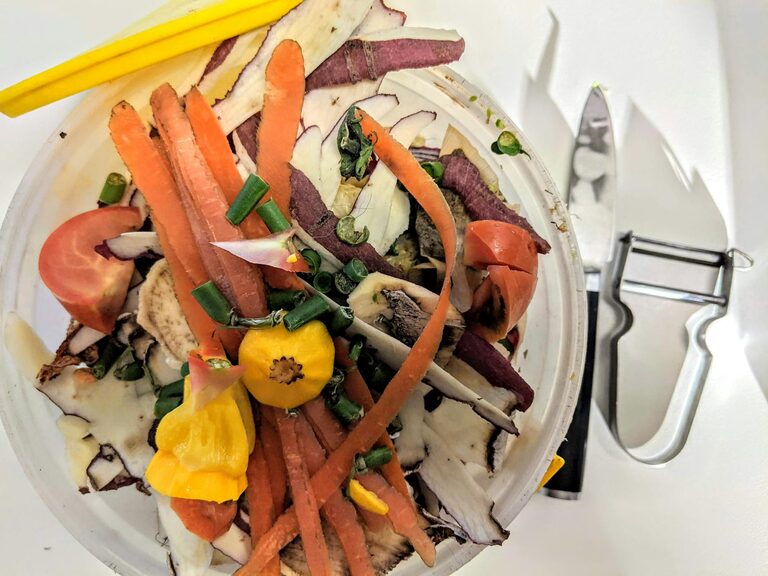
While the goal is to reduce food waste, some scraps like vegetable peels can be composted to enrich soil and reduce landfill contributions.
Use Technology and Apps
Several apps help track food inventory, provide recipes based on leftover ingredients, and remind you before items expire.
Educate and Involve Your Household
Engage family members or roommates in waste reduction efforts. Making it a shared goal increases success and creativity in using food fully.
Final Thoughts
Cutting down on food waste at home is achievable with thoughtful planning and small behavior changes. Not only will you save money, but you’ll also contribute to a healthier planet. Start with one or two of these tips today, and build your waste-conscious habits from there.
—
By implementing these strategies, you can enjoy a fresher kitchen, reduced grocery bills, and the satisfaction of supporting environmental sustainability. Happy cooking!