
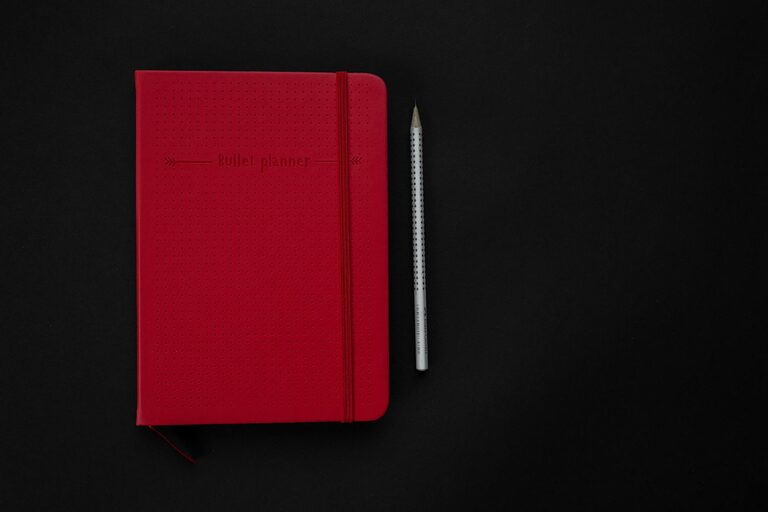
Bullet journaling has become a popular way to stay organized while expressing creativity. Whether you’re looking to manage your tasks, track habits, or jot down ideas, a bullet journal can be tailored to fit your unique needs. If you’re new to bullet journaling, this beginner guide will help you understand the basics and get started with confidence.
What Is a Bullet Journal?
A bullet journal is a customizable planner system that combines scheduling, to-do lists, habit tracking, and diary-like features in a single notebook. It was created by Ryder Carroll as a simple, flexible method to organize your life using bullet points, symbols, and short entries.
Unlike traditional planners, bullet journals offer plenty of freedom in how you design and use them. This makes it ideal for people who want a planner that adapts to their lifestyle rather than following a rigid format.
Getting Started: Supplies You’ll Need
One of the great things about bullet journaling is that you don’t need fancy or expensive supplies. Here’s what you’ll need to begin:
– Notebook or journal: Choose any notebook that feels comfortable. Popular choices include dotted, grid, or blank pages.
– Pen: A smooth-writing pen that you enjoy using is important. You can start with a simple ballpoint or gel pen.
– Ruler (optional): Useful for making straight lines, especially if you want neater layouts.
– Colored pens or markers (optional): For adding color, highlighting, or artistic touches.
Remember, the focus is on function and flexibility, so start simple and add tools as you explore what works best for you.
Core Components of a Bullet Journal
To keep things organized, bullet journals typically include certain key sections. Here’s an overview:
1. Index
The Index is usually the first page or two in your journal. It acts as a table of contents where you log the page numbers and topics of your entries. This helps you quickly find specific lists or logs.
2. Future Log
This section covers upcoming months or the entire year. Use it to record important dates, deadlines, appointments, or events far ahead. It gives you a big-picture view.
3. Monthly Log
A monthly log usually consists of a calendar page alongside a task list for that month. Here, you break down bigger goals and tasks month by month.
4. Daily Log
The daily log is the heart of the bullet journal. Write down tasks, events, and notes for each day. Tasks are usually marked with bullet points, using simple symbols for status (e.g., completed, migrated).
Essential Bullet Journal Symbols
Using a clear set of symbols or “bullets” helps you quickly categorize and track your entries. Here are the most common ones:
– Task: Represented by a dot (•)
– Event: Represented by an open circle (O)
– Note: Represented by a dash (–)
– Completed task: Task marked with an “X”
– Migrated task: Task marked with a right arrow (>)
– Scheduled task: Task marked with a left arrow (<)
Feel free to customize or add symbols as you like. The goal is clarity and speed when reviewing your journal.
Creating Your First Bullet Journal Layout
Starting your first layout might feel overwhelming, but keep it simple! Here’s a basic setup to help you begin:
Step 1: Set Up the Index
Reserve the first two pages for your index. Leave these blank for now and add entries as you fill your journal.
Step 2: Create the Future Log
Divide two pages into sections for each upcoming month. Write down any important events or goals you foresee.
Step 3: Monthly Log
On a two-page spread, create a calendar section on the left where you note dates and brief events. On the right, list tasks, priorities, or goals for the month.
Step 4: Daily Log
For your first few days, simply list the date at the top of the page. Below, write tasks, events, or notes using your chosen symbols. Keep it straightforward; no need for fancy decorations at first.
Tips for Bullet Journaling Success
– Start small: Don’t overcomplicate your journal with elaborate layouts. Focus on tracking key info first.
– Be consistent: Try to update your journal daily or at regular intervals to stay on track.
– Migrate tasks: At the end of each day or month, review unfinished tasks. Move important ones forward or rethink their priority.
– Customize gradually: Once comfortable, add habit trackers, mood logs, goal planners, or creative spreads.
– Use stencils or templates: If you want neater layouts without freehand drawing, printable templates and stencils can help.
– Keep it fun: Add doodles, stickers, or color coding, but only if it enhances your experience.
Ideas to Personalize Your Bullet Journal
Here are a few popular spreads and trackers to consider incorporating as you get more familiar:
– Habit tracker: Monitor daily habits like hydration, exercise, or reading.
– Gratitude log: Write something you’re thankful for each day.
– Expense tracker: Keep track of your spending habits.
– Meal planner: Plan your meals and grocery lists.
– Brain dump: A space to jot down random ideas or thoughts.
The beauty of bullet journaling lies in its adaptability. You can tailor the journal to fit your personal goals, hobbies, and schedule perfectly.
How to Maintain and Evolve Your Bullet Journal
Use your bullet journal as a living system. Each month, reflect on what’s working and what isn’t. Feel free to try new layouts, change symbols, or rearrange sections.
Remember, it’s your planner first and foremost. If a method or page isn’t helpful, remove or modify it. Bullet journaling is about making your life easier and more organized in a way that makes sense to you.
Final Thoughts
Starting a bullet journal can feel like both a practical and creative project. By focusing on simple layouts and clear symbols, you’ll soon build a system that keeps you motivated and organized. Remember, there’s no “right” or “wrong” way to bullet journal—just your way.
Happy journaling!